Table of Contents
- Introduction: The Power of a Confident Smile
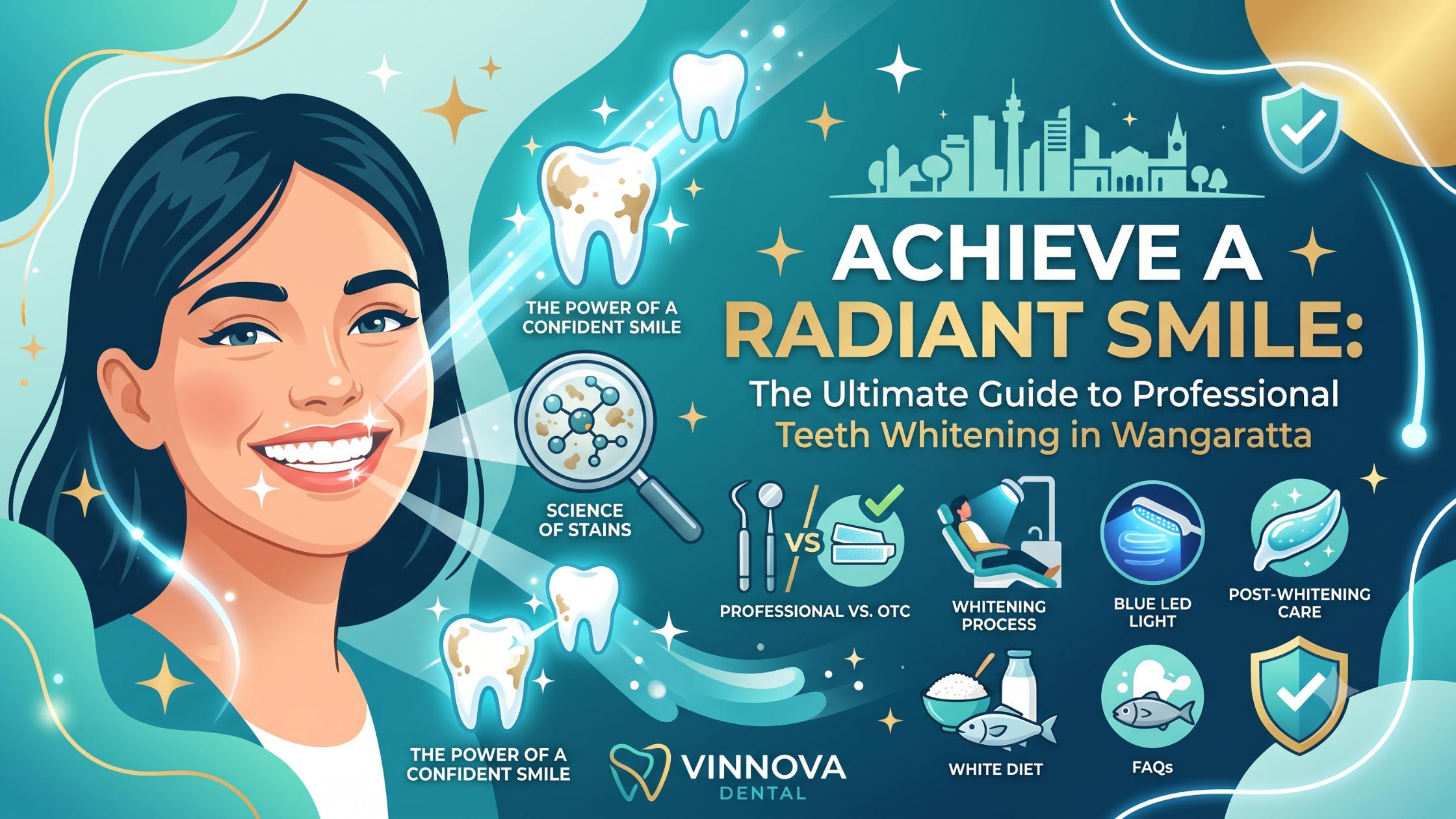
- The Science of Stains: Why Do Our Teeth Discolor?
- Over-The-Counter vs. Professional Whitening: The Real Difference
- The Professional Teeth Whitening Process Explained
- Who is the Ideal Candidate for Whitening?
- Post-Whitening Care: Keeping Your Smile Bright
- Frequently Asked Questions (FAQs)
- Conclusion: Invest in Your Confidence
1. Introduction: The Power of a Confident Smile
Your smile is arguably your most impactful physical asset. It’s the first thing people notice during a job interview, a first date, or a passing greeting on the street. A bright, radiant smile projects health, vitality, and confidence. However, our daily habits—particularly our love for morning coffees and evening wines—inevitably take a toll on the natural luster of our teeth.

If you find yourself hiding your smile in photos or feeling self-conscious when you laugh, it might be time to consider a professional aesthetic upgrade. The demand for high-quality teeth whitening wangaratta has surged as more residents seek safe, effective, and rapid solutions to reverse years of stubborn discoloration and achieve a red-carpet-ready look.
2. The Science of Stains: Why Do Our Teeth Discolor?
Tooth enamel is the hardest substance in the human body, but it is not completely solid. Under a microscope, enamel is highly porous, resembling a rigid sponge. Over time, the chromogens (color pigments) from foods and drinks seep into these microscopic pores, causing the tooth to appear dull, yellow, or brown.

Primary Culprits of Discoloration:
- Dietary Factors: Black tea, espresso, red wine, dark berries, and heavy curries are notorious for depositing dark pigments into enamel.
- Tobacco Use: Nicotine and tar create stubborn, dark brown surface stains that are incredibly difficult to remove with normal brushing.
- Aging: As we age, the outer layer of white enamel naturally wears down, revealing the yellowish dentin underneath.
- Medications: Certain antibiotics, like tetracycline, if taken during childhood while teeth are developing, can cause deep intrinsic (internal) gray banding that is resistant to standard whitening.
3. Over-The-Counter vs. Professional Whitening: The Real Difference
The supermarket aisles are flooded with whitening toothpastes, strips, and generic LED kits. While these might offer a temporary, superficial brightening effect, they fundamentally cannot match the results of professional clinical care.

The Limitations of Retail Products: Over-the-counter (OTC) products legally contain very low concentrations of the active bleaching agent (usually hydrogen peroxide or carbamide peroxide)—often less than 6%. Furthermore, generic strips do not form a custom seal around your unique dental anatomy, leading to uneven whitening and the risk of the bleaching gel leaking onto your gums, causing painful chemical burns.
The Professional Advantage: When you undergo teeth whitening wangaratta, your dentist utilizes prescription-strength whitening gels (up to 38% concentration) that penetrate deeply into the enamel to break apart complex molecular stains. The treatment is closely monitored in a safe, controlled environment, ensuring the soft tissues of your mouth are completely protected.
4. The Professional Teeth Whitening Process Explained
At Vinnova Dental, the pathway to a brighter smile is a highly structured, relaxing experience designed for maximum efficacy and minimal sensitivity.

- Step 1: The Pre-Whitening Assessment: Before any bleach is applied, we must ensure your mouth is healthy. Active decay or gum disease must be treated first. We will perform a thorough Check-up & Clean to remove surface plaque and calculus, ensuring the whitening gel can make direct contact with the enamel.
- Step 2: Shade Matching: We use a professional shade guide to determine your current tooth color and discuss realistic expectations for your final result.
- Step 3: Tissue Isolation: A protective barrier (liquid dam) is meticulously painted onto your gums and hardened with a curing light. This ensures the powerful whitening gel only touches your teeth.
- Step 4: Gel Application and Activation: The clinical-grade whitening gel is applied to the front surfaces of your teeth. Depending on the specific system used, a specialized blue LED or laser light may be directed at your teeth to accelerate the chemical reaction. This process is usually repeated in three 15-minute cycles.
- Step 5: The Reveal: The gel and barriers are removed, and you get to see your instantly transformed, radiant smile.
5. Who is the Ideal Candidate for Whitening?
Professional whitening is highly effective for the majority of adults, but it is not a universal solution for every dental concern.
Ideal candidates have healthy gums, unrestored front teeth (no large fillings or crowns on the visible teeth, as artificial materials do not bleach), and a desire to remove yellow or brown extrinsic stains. If you have complex restorative needs alongside discoloration, a consultation with a cosmetic dentist wangaratta is recommended, as they might suggest porcelain veneers instead of whitening to achieve a flawless result.
Furthermore, while you are focusing on your own cosmetic upgrades, it’s a great time to ensure the whole family’s oral health is on track by booking your little ones in with a trusted kids dentist wangaratta. (Note: If you experience sudden, sharp pain while trying to use at-home whitening kits, stop immediately and contact an emergency dentist wangaratta, as this often indicates an undiagnosed cavity).
6. Post-Whitening Care: Keeping Your Smile Bright

Your teeth are highly susceptible to re-staining in the 48 hours immediately following a professional whitening session because the microscopic pores in the enamel remain open.
The 48-Hour “White Diet”:
- Avoid: Coffee, tea, red wine, tomato sauce, soy sauce, dark chocolate, and smoking.
- Consume: Chicken, rice, white fish, potatoes, cauliflower, milk, and clear liquids.
To maintain your results long-term, drink dark beverages through a metal or glass straw to bypass the front teeth, rinse your mouth with water after eating highly pigmented foods, and maintain strict oral hygiene protocols, including regular professional Check-up & Clean visits.
7. Frequently Asked Questions (FAQs)
Q: Does professional teeth whitening hurt? A: The procedure itself is painless. However, transient tooth sensitivity to hot and cold temperatures is a common side effect for 24-48 hours post-treatment. Your dentist can apply a desensitizing gel to minimize this discomfort.
Q: How long will my whitening results last? A: Results are not permanent, but with excellent oral hygiene and a stain-conscious diet, professional whitening can last anywhere from 1 to 3 years before a touch-up is required.
Q: Is teeth whitening safe? A: Yes. When supervised by a qualified dental professional, teeth whitening is entirely safe and will not damage or weaken your enamel.
8. Conclusion: Invest in Your Confidence
Your smile is an investment in your personal and professional confidence. Stop relying on ineffective supermarket treatments and experience the transformative power of clinical cosmetic care. If you are ready to remove years of stains and unveil a luminous, healthy smile, book your consultation today and discover why professional whitening remains the most popular cosmetic dental procedure worldwide.