Table of Contents
- Introduction: The Unexpected Dental Crisis
- What Actually Constitutes a Dental Emergency?
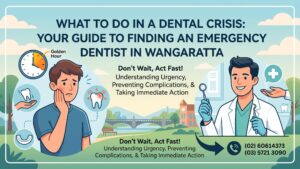
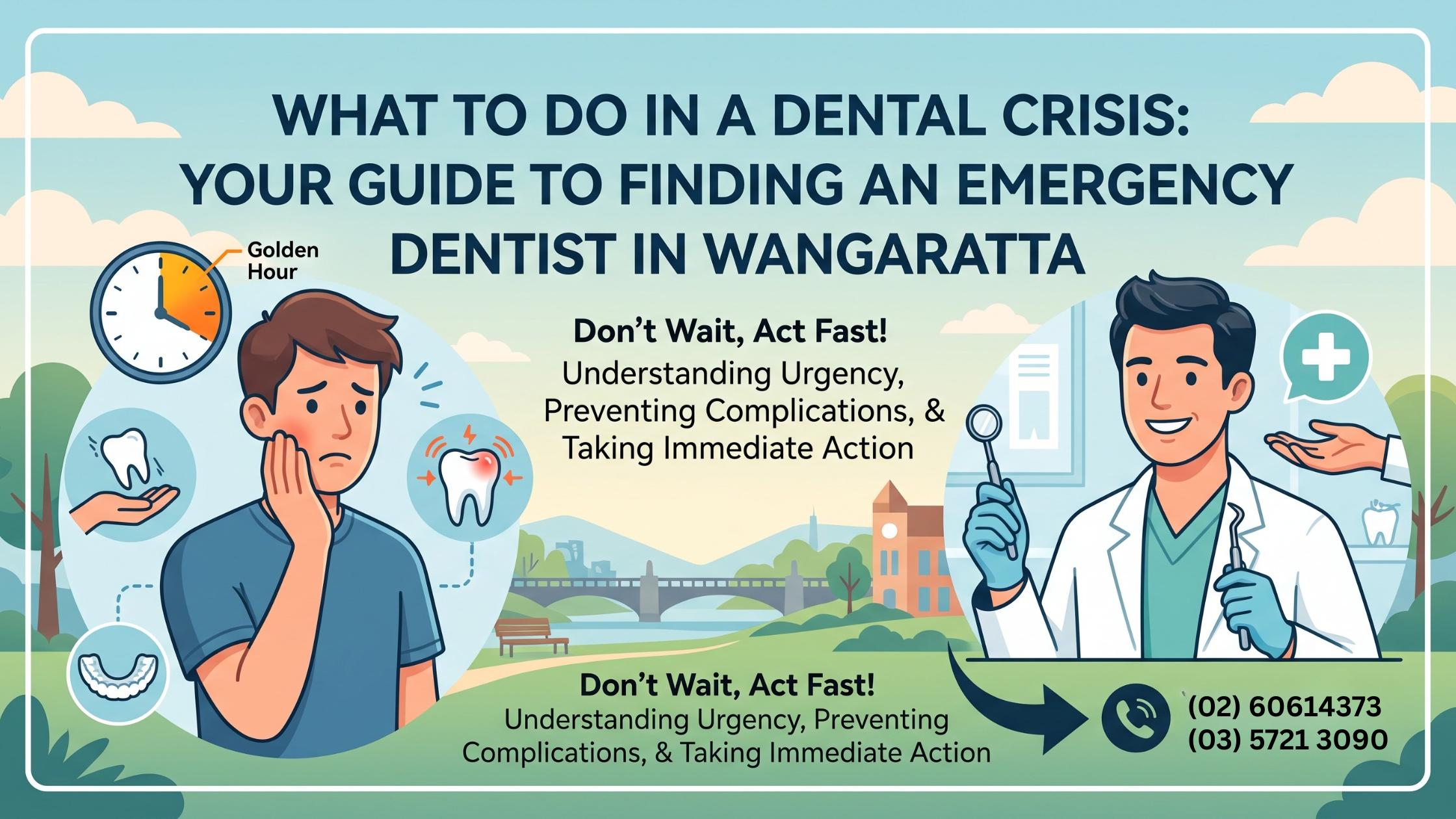
- The “Golden Hour” of Dental Trauma
- Step-by-Step Immediate First Aid for Tooth Injuries
- Why Ignoring Minor Pain Leads to Major Problems
- How to Prevent Future Dental Emergencies
- Frequently Asked Questions (FAQs)
- Conclusion: Don’t Wait, Act Fast
1. Introduction: The Unexpected Dental Crisis
It usually happens at the most inconvenient time. You’re playing local footy on the weekend, biting into a hard piece of crackling at a family Sunday roast, or simply waking up in the middle of the night with a throbbing ache that refuses to subside. Dental emergencies are notoriously unpredictable, and the sudden onset of severe pain or a physical injury to your mouth can trigger absolute panic.

When trauma strikes, your immediate reaction dictates the long-term survival of your tooth. Knowing exactly who to call and what immediate steps to take is the difference between a simple restorative fix and permanent tooth loss. Finding a reliable emergency dentist wangaratta is your first and most vital step in mitigating pain and preventing further complications.
2. What Actually Constitutes a Dental Emergency?
Not every twinge of pain requires an immediate midnight dash to the clinic. Understanding the difference between an urgent situation and a routine issue helps you act appropriately.
Definitive Dental Emergencies:
- Avulsed (Knocked-Out) Tooth: This is the most time-sensitive dental emergency. Re-implantation has the highest success rate if done within 30 to 60 minutes.
- Severe, Throbbing Toothache: Pain that prevents you from sleeping, eating, or concentrating usually indicates an infection or an exposed nerve reaching the pulp of the tooth.
- Dental Abscess: A localized collection of pus caused by a bacterial infection. Look for a pimple-like bump on the gums, facial swelling, fever, and a foul taste in the mouth. This can be life-threatening if the infection spreads.
- Fractured or Broken Teeth: If the break is significant and exposing the sensitive inner layers (dentin or pulp), it requires immediate sealing to prevent infection and alleviate extreme sensitivity.
- Uncontrollable Bleeding: If you have had an extraction or suffered trauma and the bleeding does not stop after applying pressure for 15 minutes, you need immediate care.
Non-Emergencies (Can wait for a standard appointment):
- A chipped tooth that does not hurt.
- Mild sensitivity to hot or cold drinks.
- A lost filling or crown (if there is no severe pain).
- Routine needs like a Check-up & Clean.
3. The “Golden Hour” of Dental Trauma
In medical terms, the “golden hour” refers to the critical window of time following traumatic injury where prompt medical treatment has the highest likelihood of preventing death. In dentistry, particularly with a knocked-out permanent tooth, this window is literal.

The periodontal ligament cells attached to the root of a knocked-out tooth begin to die rapidly once exposed to air. If you can secure an appointment with your emergency dentist wangaratta within 30 to 60 minutes, the tooth can often be successfully placed back into its socket and splinted, allowing the ligaments to reattach.
4. Step-by-Step Immediate First Aid for Tooth Injuries
Before you even arrive at the clinic, your actions at the scene of the injury are crucial.
If a tooth is knocked out:
- Find the tooth: Handle it only by the crown (the white chewing surface). Never touch the root.
- Rinse gently: If it’s dirty, rinse it briefly with milk or saline. Do not scrub it, use soap, or dry it with a tissue.
- Reinsert if possible: Gently try to push it back into the socket and bite down on a clean cloth to hold it in place.
- Keep it moist: If you cannot reinsert it, place the tooth in a small container of milk or your own saliva. Never store it in plain tap water, as this causes the root cells to burst.
- Seek immediate help: Go straight to the clinic.
If you have a severe toothache:
- Rinse your mouth thoroughly with warm saltwater to dislodge any trapped debris.
- Gently use dental floss to ensure no food is wedged between the teeth causing pressure.
- Take over-the-counter pain relief (like ibuprofen) if suitable for you, but never crush a painkiller and rub it against your gums, as this will cause chemical burns.
- Apply a cold compress to the outside of your cheek if there is swelling.
5. Why Ignoring Minor Pain Leads to Major Problems
Many patients attempt to “tough out” a toothache, hoping it will resolve on its own. Dental infections, unlike minor cuts, do not heal independently. The mouth is a closed environment with direct vascular pathways to the head and neck.

What starts as minor decay can rapidly penetrate the enamel, reaching the dentin and eventually the pulp (nerve center) of the tooth. Once the pulp is infected, it dies, creating a breeding ground for bacteria that leads to an abscess. A simple cavity that could have been fixed in twenty minutes may evolve into an emergency requiring complex root canal therapy or complete extraction.
6. How to Prevent Future Dental Emergencies
While accidents happen, the vast majority of dental emergencies—specifically those related to decay and infection—are entirely preventable.

- Wear a Custom Mouthguard: If you or your children play contact sports, a custom-fitted mouthguard is non-negotiable. It acts as a shock absorber, preventing broken teeth and even reducing concussion risk. It is a highly requested service from any dedicated kids dentist wangaratta.
- Avoid Using Teeth as Tools: Never use your teeth to open bottles, tear packaging, or crack nuts.
- Address Alignment Issues: Crooked teeth or a misaligned bite can put undue stress on specific teeth, making them prone to fracturing. Consulting a cosmetic dentist wangaratta for alignment solutions is a proactive preventative measure.
- Maintain Routine Visits: Six-monthly Check-up & Clean appointments allow your dentist to spot microscopic weaknesses before they turn into midnight emergencies.
7. Frequently Asked Questions (FAQs)
Q: Will the hospital emergency room treat my toothache? A: Generally, hospital ERs are equipped to handle facial trauma, severe swelling that impedes breathing, and uncontrollable bleeding. However, they rarely have a dentist on staff to perform specific dental procedures like root canals or extractions. It is always better to contact a dedicated dental clinic first.
Q: I chipped my veneer; is that an emergency? A: A broken veneer is usually a cosmetic issue rather than a medical emergency, provided there is no pain and the underlying tooth isn’t severely exposed. You should schedule a prompt visit, but it doesn’t require immediate after-hours care unless it is cutting your lip or tongue.
Q: Can I get my teeth whitened after an emergency procedure? A: You must wait until your mouth is fully healed and free of active infection or decay before pursuing aesthetic treatments. Once cleared, you can certainly explore teeth whitening wangaratta to restore the brightness of your smile.
8. Conclusion: Don’t Wait, Act Fast
A dental emergency is not the time to hesitate. Whether you are dealing with a sudden sporting injury or a progressive infection that has finally peaked, immediate professional intervention is your safest route to recovery. Save our clinic number in your phone today, because when a crisis strikes, finding the right care at Vinnova Dental shouldn’t be another headache. Protect your smile by acting fast and prioritizing your long-term oral health.